Compliance · Canada
U.S. sanctions eight Canadian money services businesses
FINTRAC says it helped coordinate the November 6 action. Treasury named businesses in Ontario and British Columbia, including two using the Amin Exchange name.
By SecurityNews Team ·
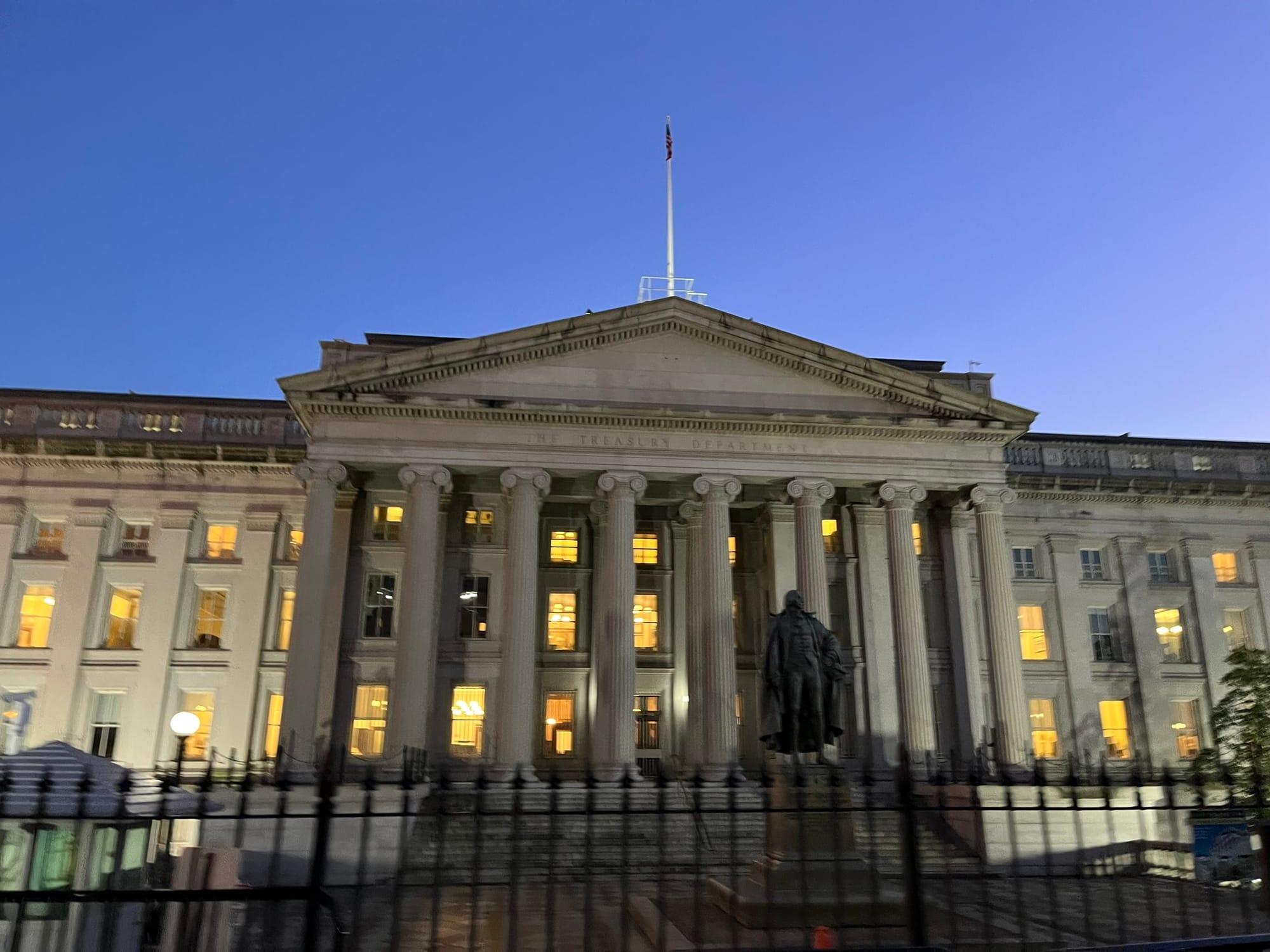
U.S. authorities sanctioned eight money services businesses based in Canada on November 6. FINTRAC, Canada’s financial intelligence agency, says it helped coordinate the action.
The U.S. Treasury announcement alleges the businesses exchanged Iranian rials and other currencies for digital assets. Treasury said many handled transactions involving sanctioned Iranian exchanges and addresses associated with Iran’s Islamic Revolutionary Guard Corps.
Businesses in Ontario and B.C.
Treasury identified Ontario-based Million Exchange and Darvish Exchange, along with CCC Inc and B Galaxy Inc, two companies it said operate at the same location.
It also named 1380079 BC Limited, which operates in British Columbia as Amin Exchange. Its Ontario affiliate, Top PC Technician Inc, uses the same trading name, Treasury said. NIA Nations Currency Ltd is based in British Columbia. Farah Exchange was identified as the trading name of 2397639 Ontario Ltd.
FINTRAC’s role
In its November 6 statement, FINTRAC said it worked with Treasury’s Office of Foreign Assets Control (OFAC) and the U.S. Financial Crimes Enforcement Network. The statement does not announce Canadian sanctions against the businesses.
FINTRAC also reported separate enforcement totals. Since the start of 2026, it had revoked the registrations of 161 money services businesses, more than in the previous three years combined. Over the past year, it imposed more than $198 million in administrative monetary penalties on nine money services businesses.
Those figures cover different periods. FINTRAC did not say whether any of the eight businesses sanctioned by the U.S. were included in either group.
Digital addresses in the listings
TRM Labs, which sells blockchain intelligence and screening services, said OFAC listed six TRON addresses across four of the eight businesses. Its analysis cautioned that transfers between blockchain addresses do not, on their own, establish a party’s knowledge or intent.