Cybersecurity · Canada
Bell says attacker stole enterprise customer data
Bell says an intruder accessed systems used to provision business circuits and took enterprise customer data in a November 17 cyber incident.
By SecurityNews Team ·
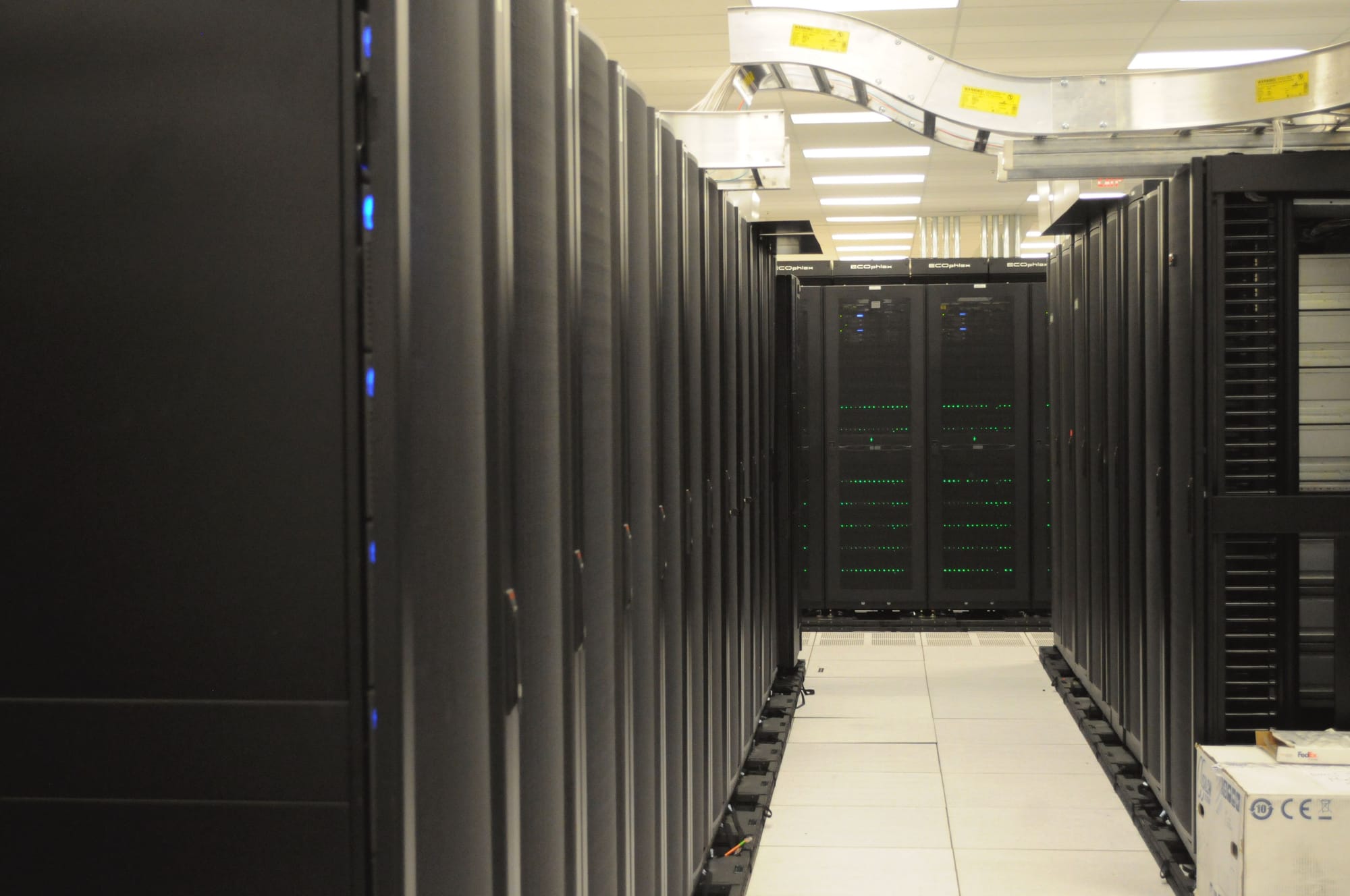
Enterprise customer data was stolen in a November 17 intrusion into Bell Canada systems, the telecommunications company says. One affected system handles orders and provisioning for business circuits.
The company told BleepingComputer it contained the incident and secured its systems, and said customer services were not affected.
Business contacts and network information
BleepingComputer reported that a customer shared a Bell notification describing access to a pre-production environment of its Maximo system. The notice said potentially exposed information included business contact details such as names, job titles, corporate email addresses, phone numbers and business addresses, along with information in ticket titles and some IP addresses associated with network elements or systems.
The notification said credentials, highly sensitive personal information and attachments were not in the affected dataset, according to BleepingComputer. The report does not establish which specific customers or records were taken.
Customers being contacted
Bell told CBC News it is contacting affected customers and has shared indicators of compromise — technical signs of an intrusion — with enterprise customers and the Canadian Centre for Cyber Security. CBC also reported that Bell contacted the RCMP’s cybercrime unit.
Those business contacts and network details could make an impersonator’s request appear more credible. Bell warned customers to be cautious of unsolicited requests and attempts to impersonate the company, BleepingComputer reported.
What remains unknown
Bell described the attacker as an “agentic” threat actor, but the available accounts do not explain how that description applies to this intrusion. They do not establish how the attacker entered the systems or how many organizations were affected. The company told BleepingComputer it did not know who was responsible.